
Just a 15-minute walk or 5-minute taxi ride from OrangeHao Hotel (No.16 Huancheng South Road, Beilin District, Xi’an, Shaanxi 710000, China), the Muslim Quarter—locally known as Huimin Jie (回民街)—awaits as one of Xi’an’s most sensory-rich and culturally captivating destinations. More than just a food street, this historic neighborhood is a living tapestry of Hui Muslim heritage, centuries-old architecture, artisan craftsmanship, and mouthwatering street cuisine that has drawn travelers, pilgrims, and food lovers for over 1,300 years.
For guests staying at OrangeHao Hotel, exploring the Muslim Quarter is effortless—and unforgettable. In this comprehensive, SEO-optimized guide, we’ll take you beyond the crowds to discover authentic flavors, cultural insights, shopping secrets, and the serene beauty of the Great Mosque of Xi’an, all while offering practical tips to make your visit smooth, safe, and deeply rewarding.
Why the Muslim Quarter Is a Must-Visit in Xi’an
Established during the Tang Dynasty (618–907 CE), the Muslim Quarter developed as a settlement for Arab and Persian traders who traveled the Silk Road and settled in Chang’an (ancient Xi’an). Over time, their descendants—the Hui people, China’s largest Muslim ethnic group—preserved their faith, cuisine, and traditions while blending seamlessly into Chinese society.
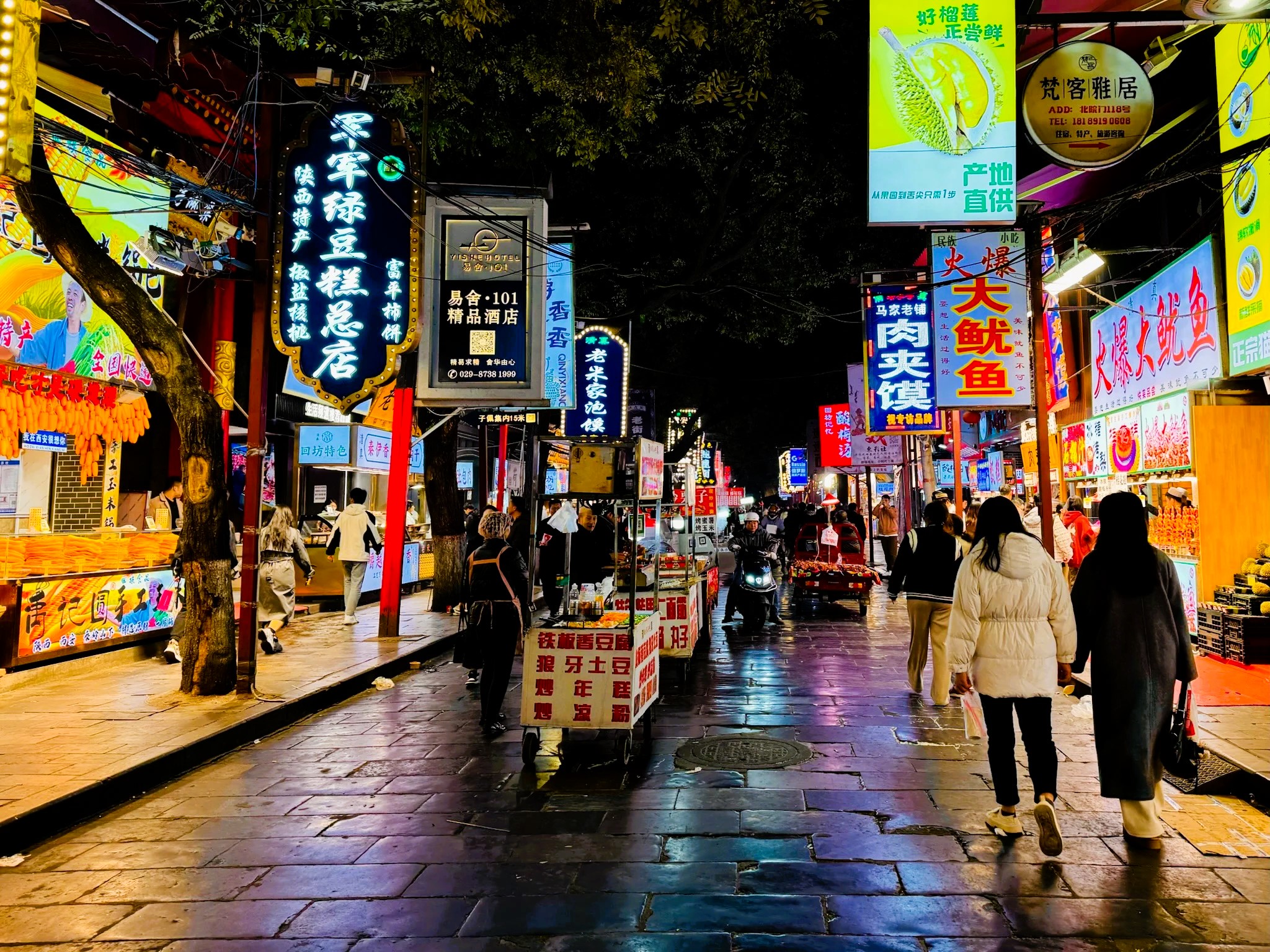
Today, the quarter spans a network of narrow alleys centered around North Street (Beiyuanmen), radiating from the Drum Tower to the Great Mosque. By day, it’s a bustling bazaar of sizzling grills and hand-painted signs; by night, it transforms into a lantern-lit carnival of aromas, music, and energy.
And thanks to OrangeHao Hotel’s prime location in Beilin District, you’re perfectly positioned to explore it all—on foot, at your own pace, and with local insight.
1. Savor the Legendary Street Food: A Culinary Pilgrimage
Food is the heartbeat of the Muslim Quarter. Here, every stall tells a story, and every bite connects you to centuries of Silk Road fusion. Don’t just eat—taste with curiosity.
Must-Try Dishes & Where to Find Them:
- Roujiamo (Chinese Hamburger): Slow-braised lamb or beef stuffed in a crispy flatbread. Try Lao Sun Jia or Fan’s Roujiamo—both family-run for generations.
- Yangrou Paomo (Lamb Stew with Crumbled Bread): Tear your own bread into tiny pieces, then watch the chef pour rich broth over it. Tong Sheng Xiang is a local favorite.
- Biangbiang Noodles: Wide, hand-pulled noodles tossed in chili oil, garlic, and vinegar. Look for stalls with chefs dramatically slapping dough on counters.
- Persimmon Cakes (Shizi Bing): Sweet, chewy, and dusted with sugar—best in autumn when persimmons are fresh.
- Pomegranate Juice: Freshly squeezed from Xi’an’s famous ruby-red pomegranates (in season: Sept–Nov).
- Grilled Squid, Lamb Skewers & Spiced Duck Heads: For the adventurous eater—grilled over open flames with cumin and chili.
Pro Tips:
✅ Eat where locals queue—long lines often mean freshness and authenticity.
✅ Avoid stalls with English-only menus targeting tourists; look for handwritten Chinese signs.
✅ Carry small bills (¥1, ¥5, ¥10)—many vendors don’t accept mobile payments.
✅ Stay hydrated: The spices can be intense! Bottled water is sold throughout.
2. Discover Hui Muslim Culture & Architecture
Beyond the food, the Muslim Quarter is a window into China’s Islamic heritage. The Hui people speak Mandarin but maintain halal dietary laws, Arabic calligraphy in shop signs, and daily prayers at local mosques.
The Great Mosque of Xi’an: A Hidden Oasis
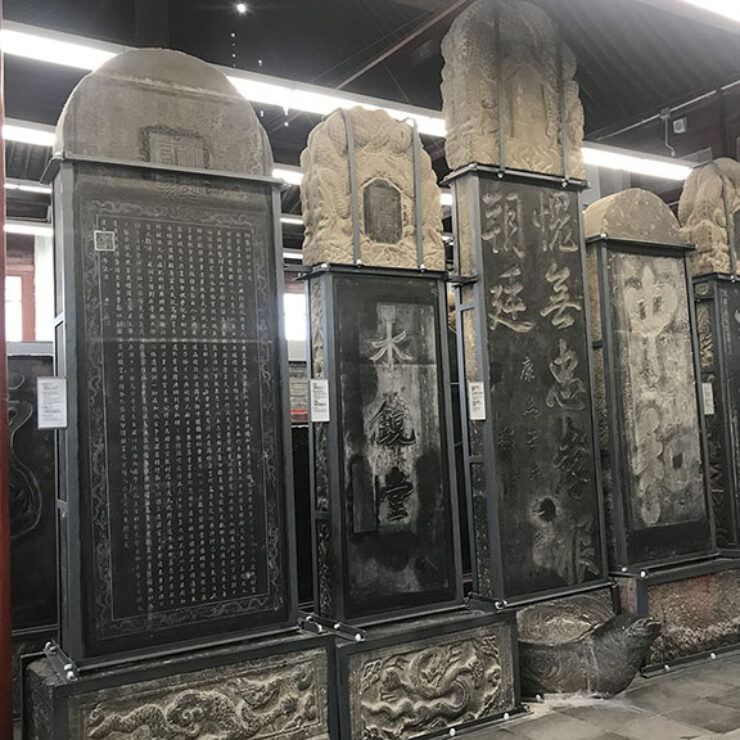
Tucked behind unassuming doors just off West Street, the Great Mosque (built in 742 CE, expanded during Ming Dynasty) is a masterpiece of Sino-Islamic architecture. Unlike Middle Eastern mosques with domes and minarets, this one resembles a classical Chinese temple—complete with courtyards, pavilions, stone steles, and wooden archways—yet oriented toward Mecca.
- Entrance Fee: ¥25 (includes access to prayer halls and gardens)
- Hours: 8:00 AM – 7:00 PM (non-Muslims welcome; dress modestly—shoulders/knees covered)
- Why Visit?: It’s peaceful, photogenic, and offers profound insight into religious harmony in Chinese history.
Cultural Etiquette:
- Remove shoes before entering prayer areas.
- Speak softly; avoid pointing at worshippers.
- Photography is allowed in courtyards but not during prayer times.
3. Shop for Authentic Handicrafts & Souvenirs
Forget mass-produced trinkets—here, artisans craft goods by hand using techniques passed down for centuries.
Top Finds:
- Paper-Cut Art (Jianzhi): Intricate red paper silhouettes of animals, zodiac signs, and folk tales.
- Calligraphy Scrolls: Brush-written poems or the word “福” (fu – good fortune) on rice paper.
- Silk Embroidery: Delicate hand-stitched pouches, fans, and wall hangings.
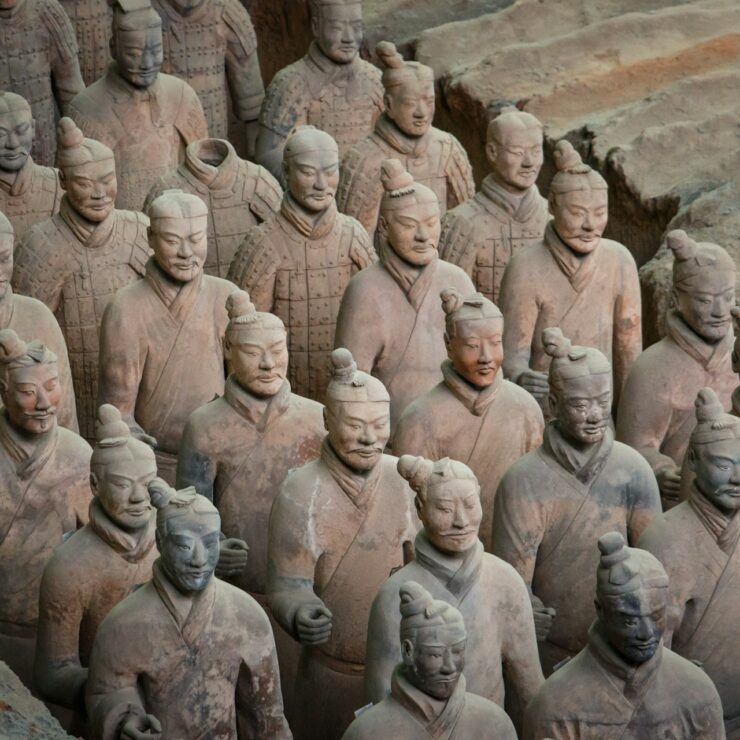
- Terracotta Replicas: Miniature warriors (great for gifts).
- Muslim Prayer Beads & Caps: Beautifully crafted and culturally meaningful.
Best Streets for Shopping:
- Xiyangshi Street: Less crowded, more artisan-focused.
- Daxuexi Alley: Hidden lane with calligraphers and inkstone carvers.
Bargaining Tip: Polite haggling is expected—start at 60% of the asking price and meet in the middle.
4. Practical Tips for Visiting from OrangeHao Hotel
How to Get There:
- Walk: 1.2 km (15 mins) via Dong Dajie → Bell Tower → Muslim Quarter entrance.
- Taxi/Didi: 5 minutes (¥10–15); tell the driver “Huimin Jie” or “Bei Yuan Men.”
- Metro: Take Line 2 to Bell Tower Station, Exit B.
Best Time to Visit:
- Late afternoon (4–7 PM): Stalls open, crowds manageable, golden light for photos.
- Avoid: Weekends and Chinese holidays (extremely crowded).
- Night Visit: The quarter glows with red lanterns after 7 PM—magical but packed.
Safety & Comfort:
- The area is safe but watch your belongings in dense crowds.
- Wear comfortable shoes—cobblestones and uneven paths are common.
- Restrooms are limited; use facilities at the Drum Tower plaza before entering.
Why OrangeHao Hotel Is the Perfect Base
Staying at OrangeHao Hotel means you can:
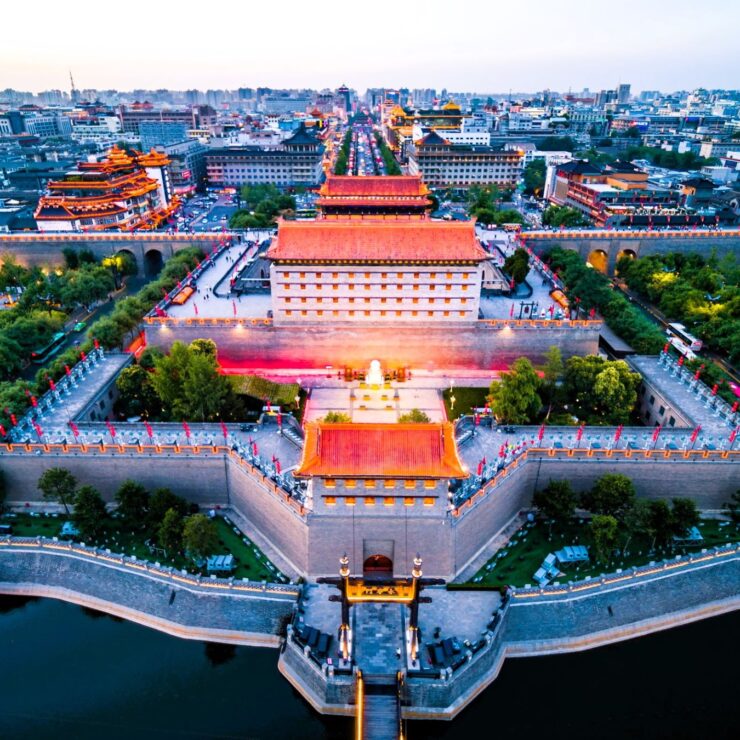
- Walk to the Muslim Quarter after a morning at the City Wall
- Return for a nap, then head back for dinner and night exploration
- Ask our front desk for handwritten food maps or halal-certified recommendations
- Unwind post-adventure with a quiet room just far enough from the noise
Our team—many of whom grew up in Beilin District—can even tell you which stall makes the crispiest persimmon cakes or where to find the oldest paper-cut artist.
Final Thought: Go Beyond the Main Street
While Beiyuanmen is iconic, the real magic lies in the side alleys: Dapiyuan, Xiyangshi, and Sajinqiao. Wander without a map. Follow the scent of cumin and grilling lamb. Peek into courtyard homes. Say “Xièxie” (thank you) to a vendor. In these moments, you’re not just visiting a tourist site—you’re stepping into the living soul of Xi’an.
Ready to explore?
From your doorstep at OrangeHao Hotel, the Muslim Quarter isn’t just a destination—it’s your evening ritual, your culinary classroom, your cultural awakening.
Come hungry. Leave inspired.